Minority Report by Phillip K Dick
Written by Steven Symes
Many people are familiar with the 2002 sci-fi movie Minority Report starring Tom Cruise. It was a big deal when it came out, especially as a debate around the film’s main narrative point flared up. What many didn’t realize at the time was the whole concept of a Precrime Division where police were able to see murder and other violent crimes before they were even committed was dreamt up by American writer Philip K Dick.
Dick published a short story titled The Minority Report back in 1956 and it was a wild concept back then. While the short story has the elements of three precogs who are hooked up to a computer and feed in their dreams to predict when people will commit crimes, as well as the head of the Precrime Division being implicated in a murder along with a conspiracy to take him down, that’s about all that the original story and the movie have in common.
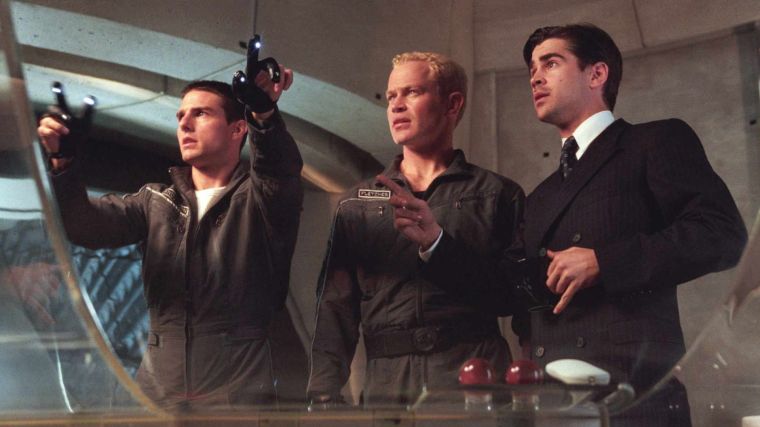
Usually, people say the book is better than the movie. In this case, I think both have considerable merit. The short story was ahead of its time, but by the time the 21st century was rolling, the technology Dick dreamt up was no longer cutting-edge.
That’s where the movie really shines. It was able to introduce what was considered far-out technology at the time, and largely still is, giving people an entertaining glimpse at what could be. While we don’t have holographic ads which read individual eyes and display what would be appealing to them, we do have shockingly targeted advertising online today.
At the core of the movie and short story is the big question of whether or not it’s ethical to arrest people for crimes they haven’t yet committed. That’s why the film works so well: it honors the source material by preserving what’s most important to the plot.
While in the short story there’s a military coup in the mix and in the movie there isn’t, that moral dilemma is still front and center. And as the title of both works indicates, there’s a minority report from one of the precogs which blows the whole plot to take John Anderton down, wrestling control of Precrime for political reasons.
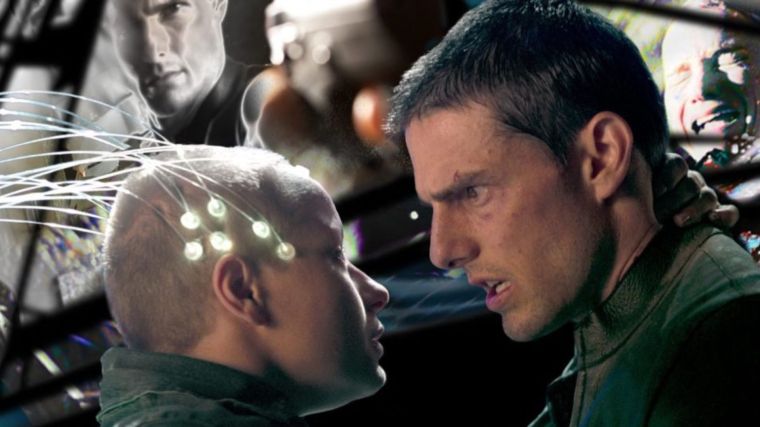
I’ve idly wondered if someone will come along and try to do another Minority Report movie, maybe sticking to the plot of the short story more? Would that translate to film better? Will that resonate with audiences in this day and age better than the Steven Spielberg movie does?
If anyone does, they would be wise to keep at the center of the plot that moral question of whether or not Precrime is even right. After all, could someone decide to not commit a murder, or is it once the precogs see it in a dream, each person is fated to kill another?
Also, if a new film were to be made, what crazy future technologies would it showcase? Would you stick to some of the same ones from the 2002 movie that haven’t come to pass yet? Or would you try to keep it completely original?
At about 30 pages, the short story (you could call it a novella and not be wrong) is a quick and interesting read with some nice twists and turns, even if you’ve seen the movie. While you’re at it, Philip K Dick has quite a few other compelling short stories, as well as quite the array of published novels, including Do Androids Dream of Electric Sheep, the inspiration for the original Blade Runner movie.
Want to support my work? Send me a tip here or through Cash App (username $StevenSymes).
Follow me on Facebook, X, and Instagram.
Images via Amblin Entertainment


